


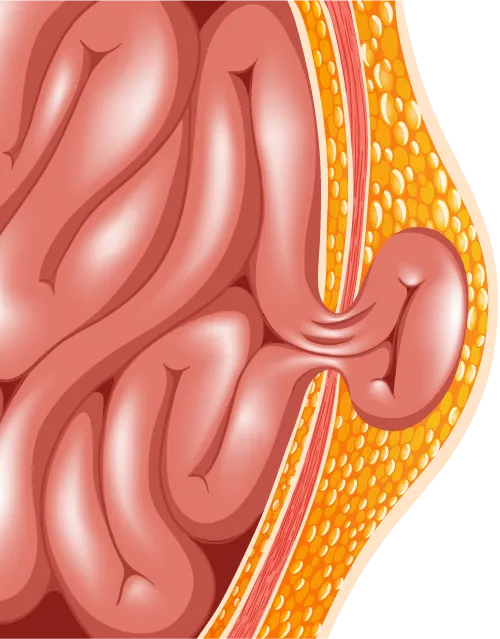
What Is a Hernia?
A common condition that occurs when tissue or an organ pushes through a weakened area of muscle.
A hernia often appears as a bulge in the abdomen or groin and may cause pain, discomfort, or a feeling of pressure. Symptoms can worsen when lifting, coughing, or standing for long periods.
While some hernias cause only mild symptoms initially, they typically do not go away on their own. An evaluation can help determine the best treatment approach for your specific condition.
Signs & Symptoms of a Hernia
Not sure if you have a hernia? These are some of the symptoms patients commonly experience.
Pain or Discomfort
Especially when lifting, bending, or coughing.
Visible Bulge
Especially when lifting, bending, or coughing.
Pressure or Heaviness
Especially when lifting, bending, or coughing.
Symptoms During Activity
Especially when lifting, bending, or coughing.
Types of Hernias
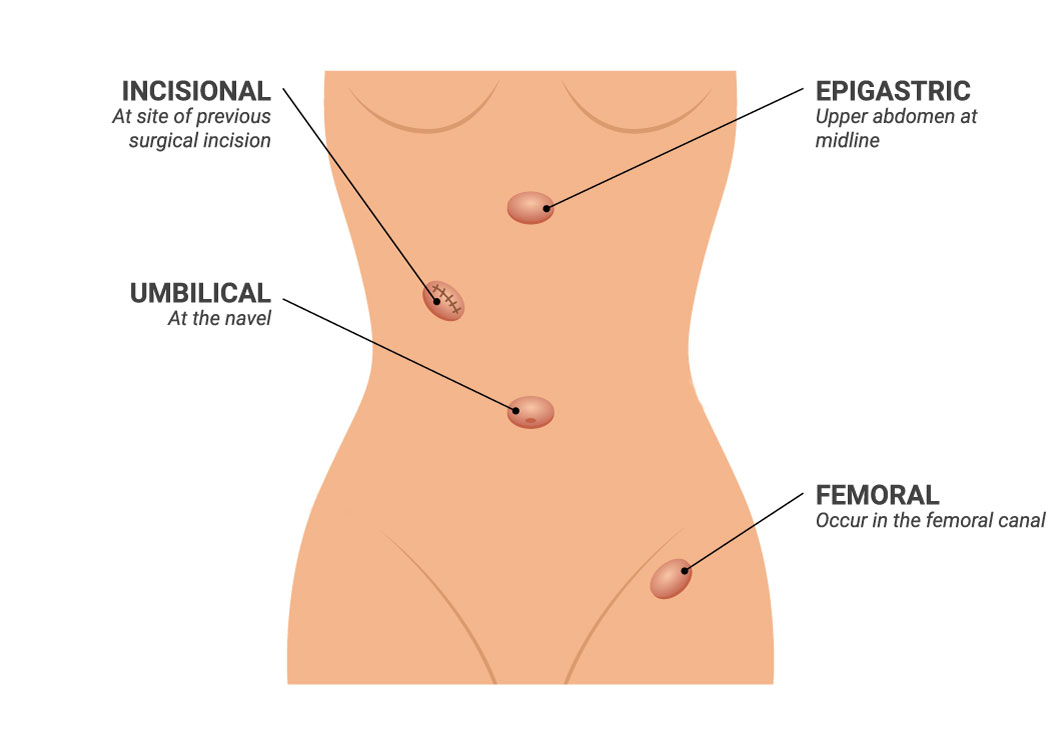
Inguinal Hernia: The most common type of hernia, occurring in the groin when tissue pushes through a weakened area of the abdominal wall.
Umbilical Hernia: Develops near the belly button when tissue pushes through a weak area of the abdominal wall.
Incisional Hernia: Occurs at the site of a previous surgical incision where the abdominal wall has weakened.
Epigastric Hernia: Develops in the upper abdomen between the breastbone and the belly button.
Femoral Hernia: Occurs lower in the groin near the femoral canal and is more common in women.
Hernia Treatment Path
The right treatment depends on the type of hernia, your symptoms, and your overall health.
Evaluation & Diagnosis
A thorough physical exam and imaging review determines the type, size, and urgency of your hernia to form the foundation of your personalized care plan.
Monitoring & Guidance
For small or asymptomatic hernias, careful monitoring may be the safest first step with clear guidance on symptoms to watch for and when to seek care.
Surgical Repair
When surgery is the right choice, both open and laparoscopic repair options are available with most patients returning home the same day of their procedure.

Meet Dr. O.D. Thomas
Your Trusted Partner in Surgical Care
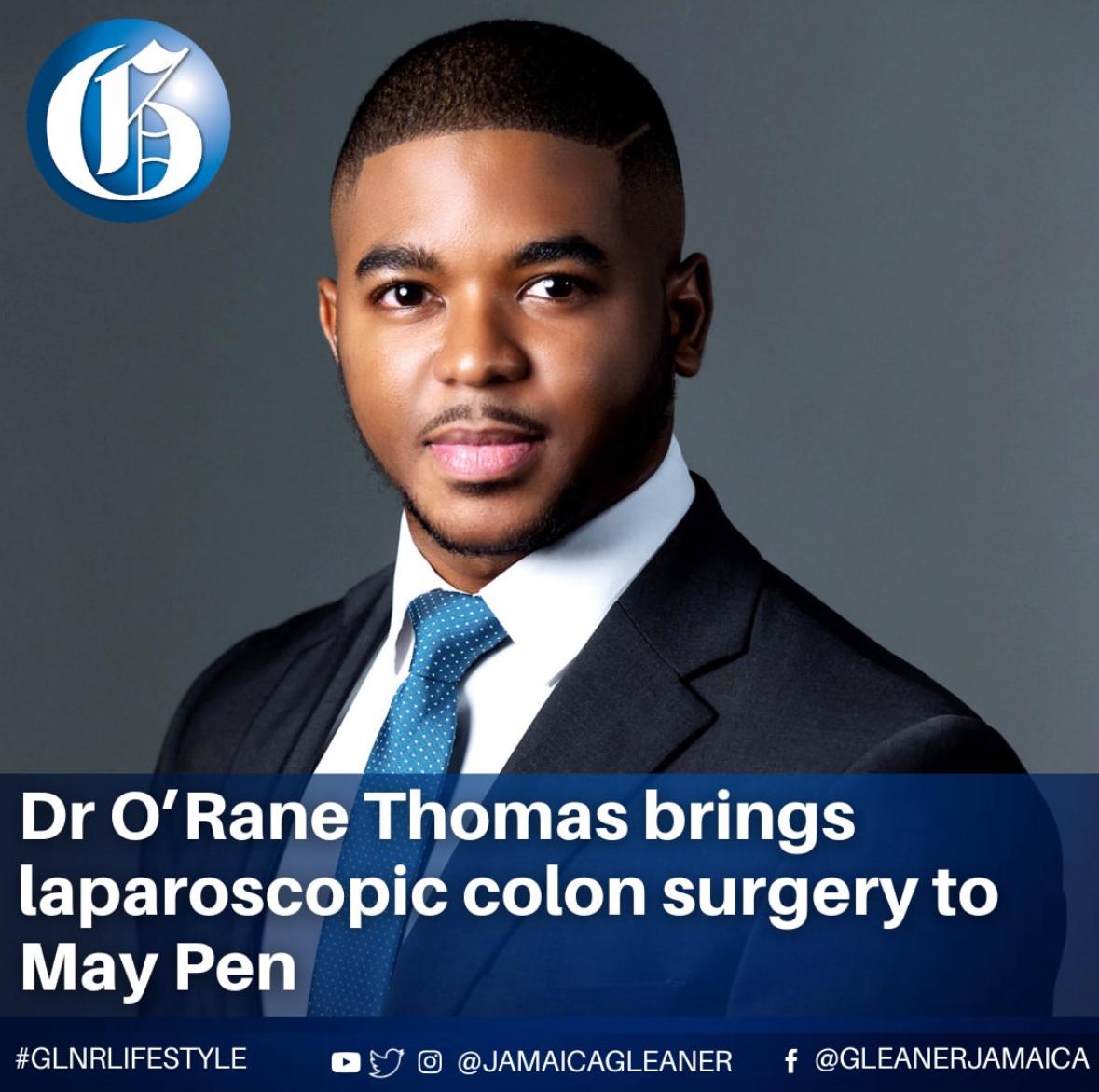
Dr. O'Rane Thomas, MBBS, DM (SURG), FCCS, is a highly regarded Consultant General Surgeon with postgraduate training in General Surgery from the University of the West Indies (UWI). Known for his commitment to patient-centred, evidence-based care, he has a special interest in laparoscopic and minimally invasive surgery.
In June 2024, he led the team that performed Clarendon's first laparoscopic colon cancer surgery at May Pen Hospital and has since expanded minimally invasive services locally, including a laparoscopic pancreatectomy.
Dr. Thomas is also committed to public health education, spearheading a colon cancer awareness campaign since 2023 to promote early detection and improve community health literacy. He was awarded the Governor General's Achievement Award in 2025 for excellence and service.





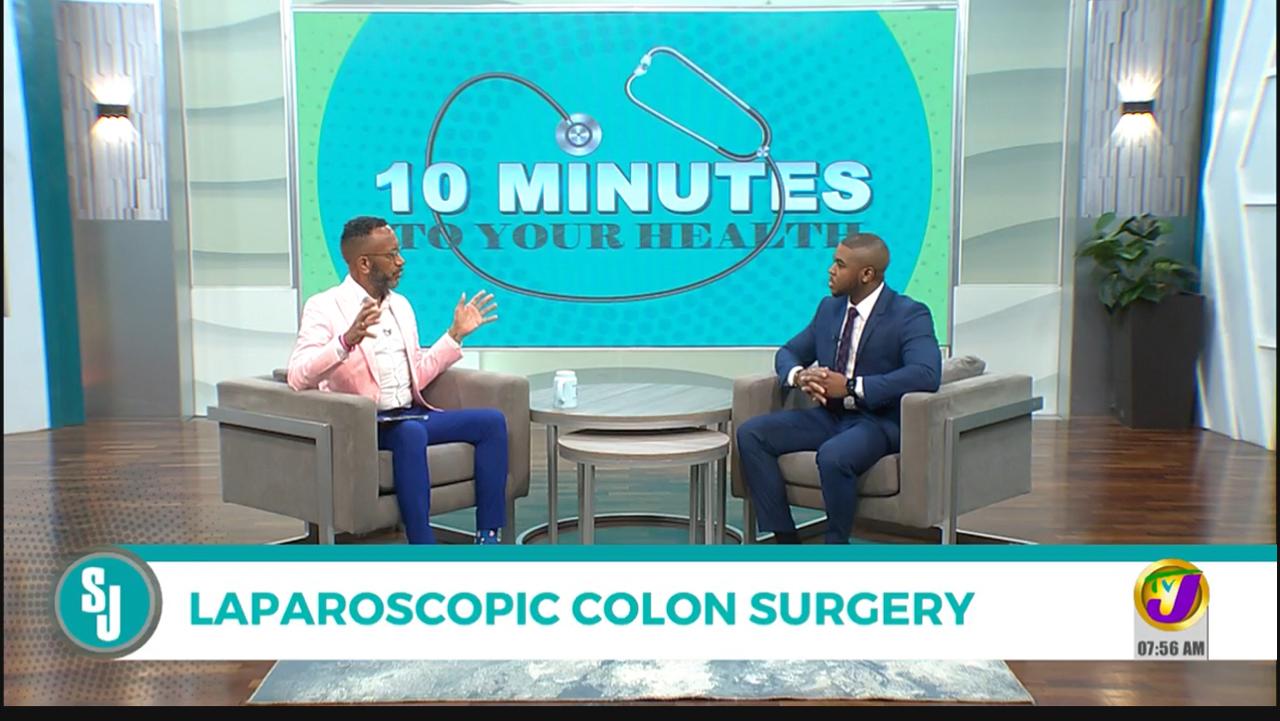

Past Patient Reviews
What our past patients have to say about us...
Frequently Asked Questions
How do I know if I have a hernia?
Common signs include a visible bulge, discomfort, pressure, or pain in the abdomen or groin. A consultation can help determine whether your symptoms are caused by a hernia.
Will a hernia go away on its own?
Hernias typically do not heal without treatment. In many cases, they may gradually increase in size or cause worsening symptoms over time.
Does every hernia require surgery?
Not always. Treatment recommendations depend on the type of hernia, its size, your symptoms, and your overall health. Your surgeon will discuss the most appropriate treatment options for your situation.
What happens if a hernia is left untreated?
Some hernias remain stable for a period of time, while others may enlarge or become more symptomatic. In certain cases, complications can occur that require urgent medical attention.
How is a hernia diagnosed?
Most hernias can be diagnosed through a physical examination. Additional imaging studies such as an ultrasound or CT scan may be recommended when necessary.
What types of hernias do you treat?
We evaluate and treat a wide range of hernias, including inguinal, umbilical, ventral, incisional, epigastric, and femoral hernias.
How long is recovery after hernia surgery?
Recovery varies depending on the type of hernia and the procedure performed. Your surgeon will provide specific recovery guidelines based on your treatment plan.
Do I need a referral to schedule a consultation?
In many cases, patients can schedule a consultation directly. Contact our office for specific appointment requirements.
Convenient Locations
Serving patients throughout Kingston, Portmore, and Central Jamaica.

Ready to Discuss Your Hernia Treatment Options?
If you’re experiencing pain, discomfort, or a visible bulge, don’t wait for symptoms to worsen. Schedule a consultation to receive a personalized evaluation and treatment recommendation.
Additional Surgical Services
We provide a range of general surgical services to help patients achieve better health and quality of life.